Heritage · Hand-filleted · OU certification pursued

Cantabrian
Anchovies.

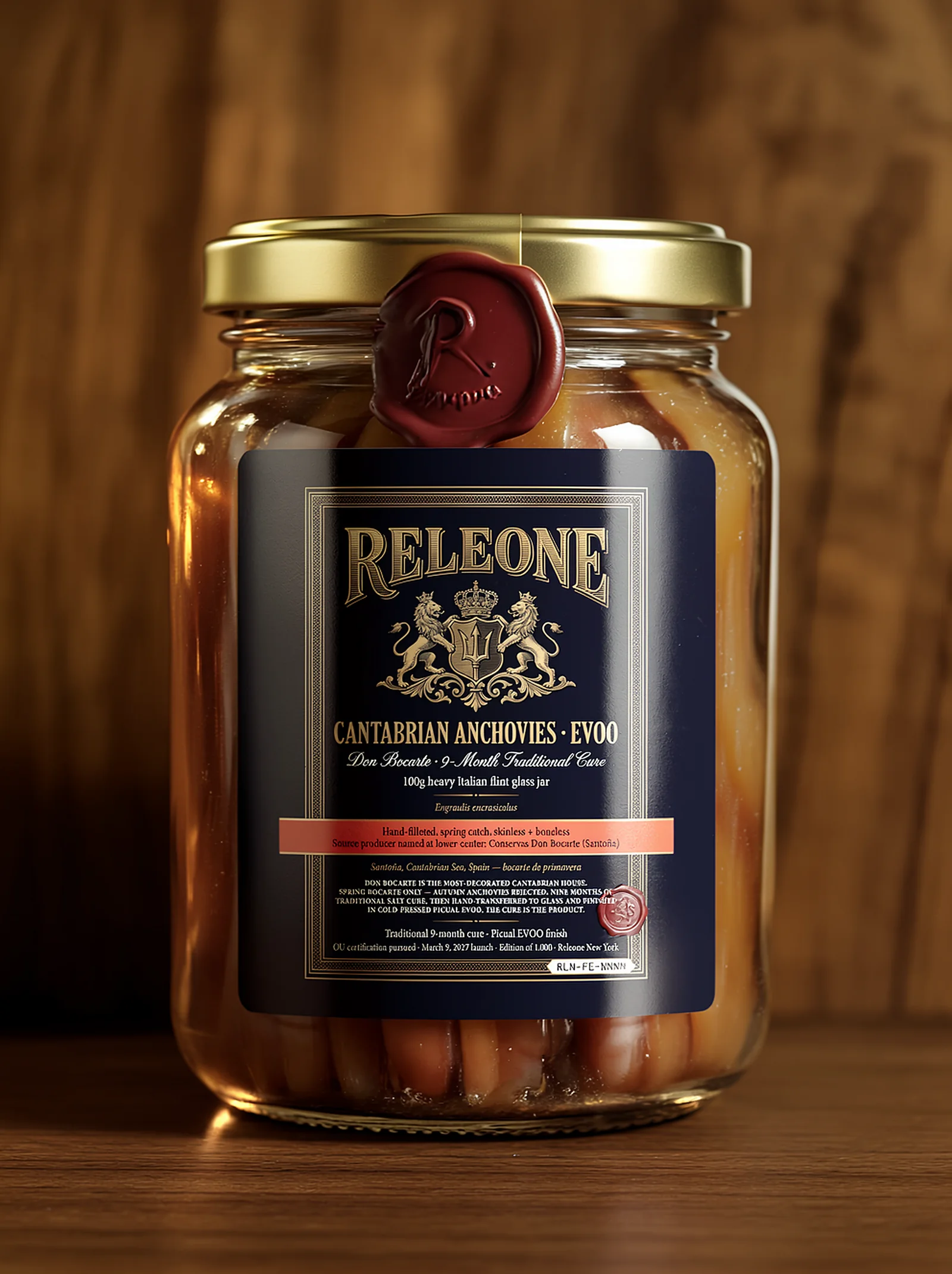
Bay of Biscay, spring catch, hand-filleted and nine-month salt-cured. The slow tradition — no shortcuts.

OriginCantabrian Sea
CatchSpring · April–June
Format250g · glass
Reserve from$26
The fish

Eight reasons it's in our jar.

Most anchovies on the shelf were rushed, machine-filleted, and shortcut-cured. Cantabrian is the standard — the only one we agreed to.

  1. Spring catch (April–June) only — peak fat content and refined flavor profile.
  2. Hand-filleted, deboned, and salt-cured for nine months. Slow tradition, no shortcuts.
  3. Calcium-rich preparation: ~150–200mg per 100g — bone density support.
  4. Iron and zinc — iron contributes to normal oxygen transport; zinc to normal immune function (EU-authorised claims).
  5. Vitamin K2 (menaquinone) — vitamin K contributes to the maintenance of normal bones (EU-authorised claim).
  6. High in selenium and niacin (vitamin B3): ~50% RDA per serving.
  7. Bay of Biscay sourcing — Cantabrian Sea waters are the gold standard for anchovies.
  8. Pure umami: replaces salt in cooking; one fillet seasons an entire pan.

Specifications

Species
Engraulis encrasicolus
Cut
Whole fillet, hand-deboned
Origin
Bay of Biscay (Cantabrian Sea)
Method
9-month salt cure, EVOO finish
Format
250g hermetic glass
Kosher
OU certification pursued
Shelf life
36 months sealed · 14 days opened
Pairs with
Sourdough, butter, soft-boiled egg
Configure

Choose your cure.

One fillet, four expressions. Same Cantabrian fish, dressed for the table you intend.

Your reservation

Cantabrian Anchovies
CurePure EVOO Picual
Format250g glass
ShipsFrom March 9, 2027
Total$26

In depth

Cantabrian Anchovies · The nine-month cure

The source

Engraulis encrasicolus from the Bay of Biscay, fished by a single Cantabrian vessel between April and June only — the brief window when the fish are fattest. EU Council 2025 raised the quota 8% for 2026 to 29,700 t, recovery in motion.

The cure

Hand-filleted in Santoña on the day of landing. Salt-cured nine months — not three, not six — in wooden barrels rotated weekly. The flesh becomes mahogany. The bones dissolve. Packed in cold-pressed Picual.

At the table

  • — A single anchovy on hot toast, no butter needed.
  • — Pan bagnat with Niçoise olives, tomato, hard egg, the anchovy laid across.
  • — Espelette pepper, anchovy fillet, a thin shaving of Manchego, dry sherry.

House standards

  • ·Hand-filleted, never machine-filleted.
  • ·Nine-month cure. The longest in the category.
  • ·Skinless and boneless. OU certification pursued.
  • ·Glass — you should see the cure colour develop.

Questions

Why glass and not tin?

Tin oxidises the cure. Glass lets the buyer judge what they're paying for. The boqueron-grey colour through nine months of salt is a fingerprint — if you can't see it, you can't trust it.

How salty are these?

Less than commodity Mediterranean anchovies. We desalt mid-cure and pack in oil, not in salt. The flavour is concentrated, not punishing.

Do I need to rinse them?

No. Open the jar, lift a fillet onto bread, finished.

Shelf life?

24 months sealed in the refrigerator. Once opened, transfer remaining fillets into a small glass with the jar's oil and finish within seven days.

Around the house